Recently, I had a conversation with my older sister about life and how I believe that my afflictions are rooted in past rejections. Things that I didn’t realize until I was an adult that steered my decisions in life. Rejections that triggered insecurities, unforgiveness, doubts, and distrust. I didn’t think that all of these issues could’ve stemmed from something as small as rejection.
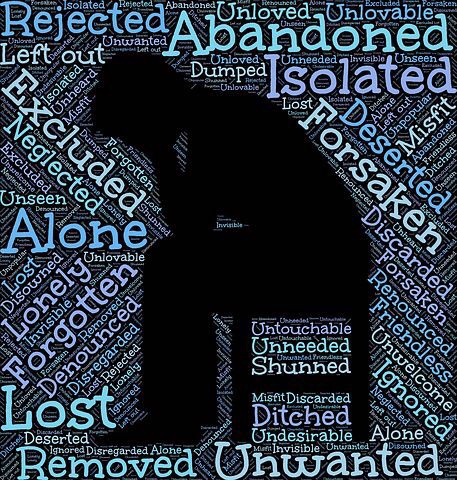
My sister introduced me to this YouTube video hosted by Jia Jiang called “100 days of Rejection.” In this video, he shares a story about him being six years old and facing rejection in school. He talked about how that six-year-old boy still lived inside of him when he became an adult and it affected his life. He decided to seek help with his issue of rejection and started researching. He came up with the idea of documenting and recording himself for 100 days being rejected by strangers.

He made up different tasks each day and noticed that at first he ran and got embarrassed when he was rejected, but after awhile he stayed and talked to the person rejecting him. He stayed engaged and even mentioned doubts that the person might’ve had about the situation and noticed that they were more liable to being more receptive by acknowledging the doubt both parties felt. He began to embrace rejection instead of running from it.

This video really touched my heart and helped me to realize that rejection doesn’t have to be a stigma of failure. It could actually empower you and the other person by opening up a dialogue and shedding light on the uncertainties of the situation. Rejection is often times viewed as negative in today’s society, but it could actually be used for a positive outcome. Being rejected can in-turn: motivate us to do better, remind us we’re human, teach patience, cause us to explore different paths, aid in self evaluation, re-prioritize our goals, and create opportunities for change. We can overcome rejection and transform it into acceptance. In the words of Jia Jiang, “people who change the world were often met with initial violent rejection.”

 Uninterrupted Thoughts